Invest in Wolverhampton Property
Over 30% Sold
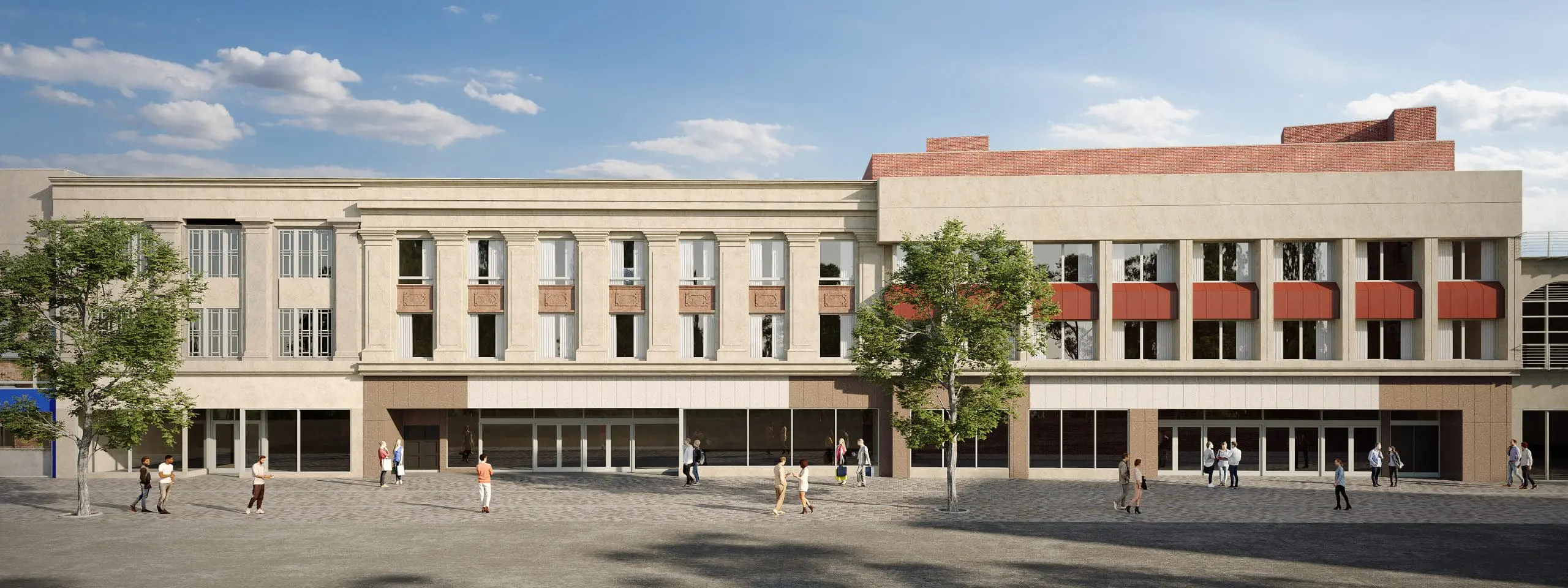
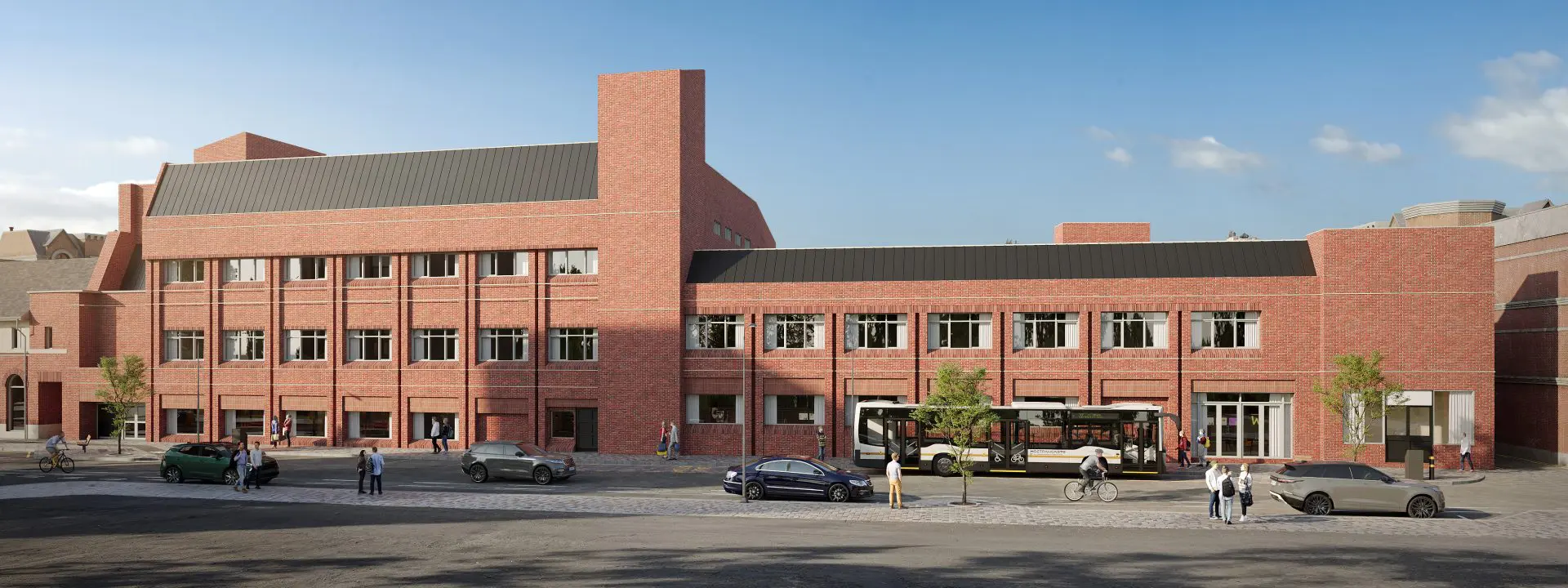
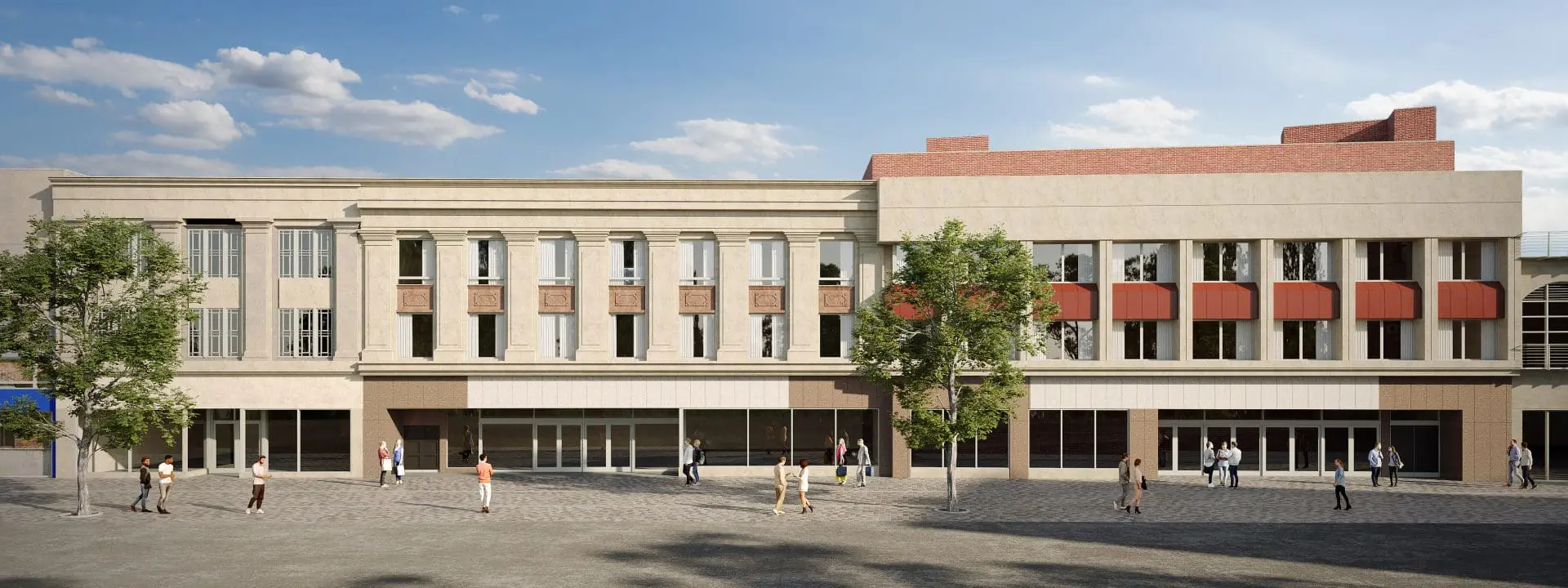
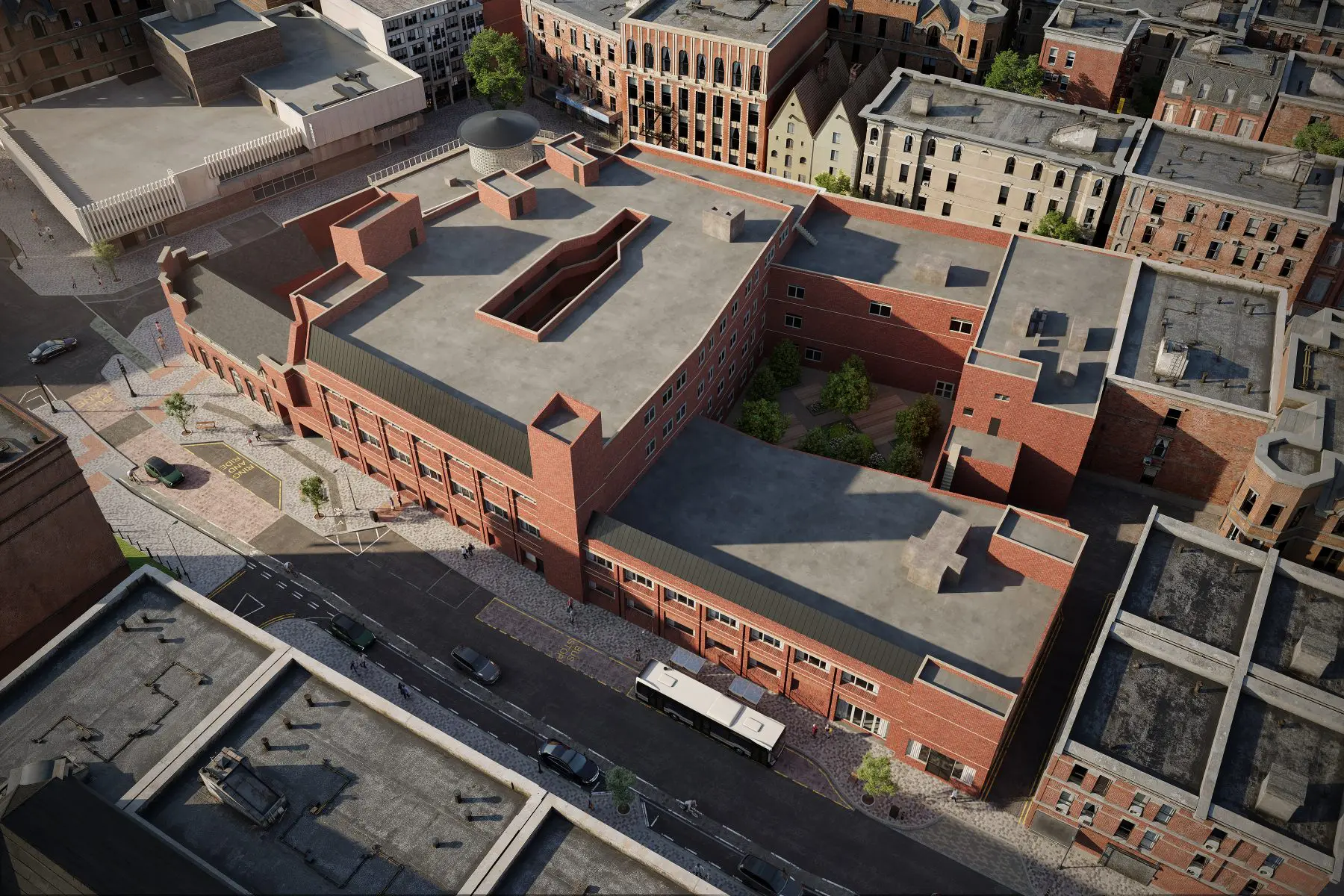
Penny Place
Invest in Wolverhampton’s most exciting city centre transformation
- Studio, 1, and 2-bedroom luxury apartments
- Rental values to increase by 18.1% over the next 5 years (JLL)
- Property values to increase by 23% over the next 5 years (JLL)
- 5% Deposit + Monthly staggered payment plan
- Estimated completion Q1 2028
Prices From
£154,950
Why Invest in Penny Place?
Penny Place sits at the centre of a city in the middle of a rapidly growing transformation. Wolverhampton is no longer an overlooked alternative, it’s an emerging growth market with real investment committed, planning approved, and demand building fast.
With studios, 1 and 2 bedroom apartments starting from £154,950, Penny Place offers one of the most accessible entry points into West Midlands city centre property, combining strong rental demand, rising yields, and the kind of regeneration momentum that precedes meaningful capital growth.
For investors who moved early into Birmingham five years ago, Wolverhampton will feel familiar. The fundamentals are the same: an undervalued city, a young and growing population, improving infrastructure, and a pipeline of regeneration that’s already funded and moving.
Key Investment Highlights
- Studios, 1 & 2 bedroom apartments from just £154,950
- Wolverhampton rents have risen over 11% in just 12 months (one of the UK’s fastest-growing rental markets)
- One of the lowest entry points for city centre living in the West Midlands
- Rental yields of 6-7% reported in key Wolverhampton areas (above the regional average)
- £4.4 Billion Regeneration Project aimed to attract investment, create jobs, and stimulate business growth in the city centre.
- Projected completion: Q1 2028
Development Pricing
5% Deposit + Staggered Payment
Studio Apartment
Prices from £154,950
1 Bedroom Apartment
Prices from £164,950
2 Bedroom Apartment
Prices from £204,950
Why Choose Wolverhampton?
Wolverhampton is the West Midlands’ most compelling undervalued market – and the numbers are starting to reflect that. Property prices rose 8% year-on-year, nearly three times the regional average of 2.7%. The city’s economy is forecast to expand by 43% over the next 15 years – this is a market with serious long-term momentum.
Rental demand is equally strong. Average private rents as per the ONS reached £938 per month in June 2026, up 11.3% year-on-year – this almost triples the growth seen over the broader West Midlands that sat at just 4.4% over the same period. With yields among the highest in the West Midlands and rents continuing to climb, Wolverhampton offers the kind of income-driven return that’s increasingly difficult to find in more saturated UK cities.
The employment base is broad, resilient and growing. Wolverhampton hosts 10% of England’s advanced manufacturing jobs at the i54 Business Park, driven by automotive and aerospace activity. Healthcare is the city’s largest sector, supporting over 22,550 jobs – with New Cross Hospital alone employing 10,000 people. The Government’s second MHCLG headquarters outside London is also based here, anchoring high-quality public sector employment in the Midlands for the long term.
A new Central Edge economic growth zone is projected to create 14,700 jobs and deliver £582 million in GVA. The city’s employment rate reached 70.3% in 2023 – up 6% in a single year. With 50,000 graduates now making up half the workforce, and access to 155,000 STEM students across 12 Midlands universities, Wolverhampton has the talent pipeline to sustain that growth.
A city centre masterplan is delivering up to 1,000 new homes across three key sites, supported by dedicated UK Government funding. Wolverhampton was also the first English city to sign the European Circular Cities Declaration – signalling a long-term commitment to sustainable urban development that increasingly matters to both residents and institutional investors.
The city’s £150 million transport interchange connects road, rail and metro directly to Birmingham, Manchester and London. Direct trains reach London in around 1 hour 40 minutes, with Birmingham just 17 minutes by road. The M6 and M54 motorways provide critical north-south and east-west links, and Birmingham Airport – handling over 12 million passengers annually – is just 20 to 30 minutes away. For tenants and owner-occupiers alike, the connectivity case is strong.