
Every landlord who owns one rental property eventually reaches the same fork in the road: buy another, or stop here. For most of the last decade, that decision could be deferred indefinitely, because a single property ticked along quietly and asked very little of you.
That deferral has become expensive. An estimated 93,000 landlords sold up during 2025, and most of them owned one or two properties. In the same period, the landlords who stayed got bigger – the average portfolio now stands at 7.3 properties, and more than one in five landlords describe themselves as full-time investors.
The reason is structural, not sentimental. Mortgage interest relief has been withdrawn through Section 24. The stamp duty surcharge on an additional property has doubled. The Renters’ Rights Act has abolished Section 21 and moved every tenancy onto a periodic footing. None of this makes property a poor investment – but it does mean the cost of being a landlord no longer scales with the number of properties you own. Your accountant, your lender relationship, your compliance knowledge, and your management arrangements cost roughly the same whether you hold one property or five. Spread across one, they are a drag on returns. Spread across five, they are overhead.
For a landlord asking how to build a property portfolio without a clear framework, this shift is how profitable decisions turn into costly ones – misjudging a lender’s stress test, holding an investment property portfolio in the wrong structure, or discovering a regulatory obligation only after it has been missed.
How to Build Your Property Empire exists to remove that uncertainty entirely.
How to Build a Property Portfolio, One Pillar at a Time
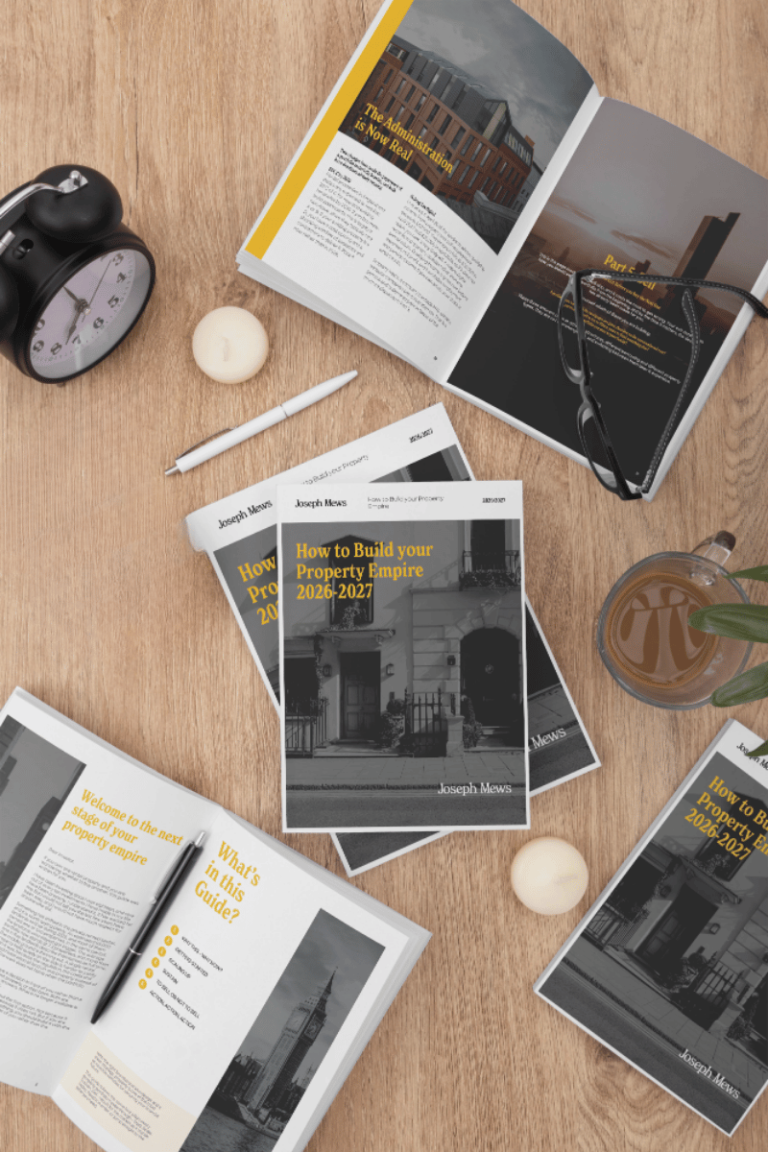
How to Build Your Property Empire provides the complete framework every one-property landlord needs before they approach a lender, choose a structure, or commit to a second acquisition.
The Honest Case for Building, or Not
A rigorous, even-handed assessment of whether expansion is right for you at all, including the legitimate case for staying at one property or exiting entirely – addressed with the same honesty as the case for scaling.
The Second Property, Properly Costed
A precise breakdown of everything a second acquisition requires beyond the deposit – stamp duty at current rates, legal fees, survey costs, lender arrangement fees, and furnishing – so you arrive at completion fully funded, not £20,000 short.
Ownership Structure and Section 24
A plain-language, fully worked comparison of personal ownership versus a Limited Company structure, showing the precise annual tax difference Section 24 creates for a higher rate taxpayer, and why moving an existing property into a company is rarely straightforward.
How to Build a Buy-to-Let Portfolio Lenders Will Actually Fund
An explanation of the point at which lenders begin assessing your entire portfolio rather than the property in front of you, the interest cover ratio that will actually apply to you as a multi-property owner, and the development-level exposure limits that can make an otherwise strong application unfundable.
Operating an Investment Property Portfolio Under the Renters' Rights Act
A practical breakdown of what the abolition of Section 21, periodic tenancies, and the new possession regime mean for a landlord running five properties rather than one, including the reserve fund and record-keeping standard the new rules now demand.
The Five-Year Portfolio Model, Rebuilt for Today's Rates
A fully worked model showing where returns on a property portfolio genuinely come from – equity growth, not monthly cash flow – rebuilt using current interest rates, current stamp duty, and current market forecasts rather than historic assumptions.
Planning Your Exit Before You Buy
A structured look at how and when to sell a single property or a full portfolio, and why the ownership structure you choose today determines how, and how profitably, you are able to exit tomorrow.
Building a property empire does not require you to already be a full-time investor. It requires you to understand what has genuinely changed since you bought your first property, and to make your next decision on the real numbers rather than the comfortable ones. This guide is designed to give every existing landlord exactly that starting point.

The difference between a landlord who builds a property portfolio that compounds and one who buys a second property and quietly struggles with it is not access to a better deal. It is whether they understood the real cost, the real structure, and the real regulation before they committed.
How to Build Your Property Empire is that foundation: a complete resource for any landlord deciding whether, when, and how to build a portfolio of properties in today’s UK market.
Download your free copy of How to Build Your Property Empire and make your next decision with complete confidence.
Frequently Asked Questions About How to Build Your Property Empire
How do I start a property portfolio if I only own one property?
Start by understanding what genuinely changes once you buy a second property – not just the deposit, but the way lenders assess you, the tax structure you hold it in, and the reserve you need for voids. Most landlords who struggle to build a property portfolio do so because they applied the assumptions from their first purchase to their second, when the lending, tax, and regulatory picture is materially different by that point. The guide sets out exactly what to check before you commit.
How do you build a property portfolio without overextending on borrowing?
The key is understanding the interest cover ratio your lender will actually apply – commonly 125% for a straightforward, basic-rate case, but rising to 145% once you’re a higher-rate taxpayer or already hold multiple properties. Building a buy-to-let portfolio sustainably means stress-testing every purchase against the higher figure and against a rate two percentage points above your current deal, not just the numbers that work today. The guide walks through a fully worked example.
At what point do lenders start treating me as a portfolio landlord?
Once you hold four or more mortgaged buy-to-let properties, lenders formally classify you as a portfolio landlord and assess your entire investment property portfolio rather than the individual property in front of them. This threshold arrives faster than most landlords expect and materially changes which lenders will work with you, how long underwriting takes, and how your existing properties affect a new application.
Should I move my existing rental property into a Limited Company to avoid Section 24?
In most cases, this is more complicated and more expensive than it first appears. Transferring an existing property into a company is treated as a sale at market value for tax purposes, typically triggering both capital gains tax and a fresh stamp duty charge, even though no money changes hands and you retain full control. The guide explains why the practical answer for most landlords is to leave an existing property as it is and hold future acquisitions in a company instead.
Is building a property empire realistic for someone starting from a single rental property?
Yes – it’s the position most established portfolio landlords started from. Building a real estate empire in the UK typically means adding one property a year, using the equity growth in existing properties to fund the next purchase rather than relying solely on new personal capital. The guide sets out a fully worked five-year model showing exactly how this compounds.
Does the guide reflect the Renters’ Rights Act and current lending conditions?
Yes. The guide reflects the Renters’ Rights Act, in force since May 2026, current stamp duty rates including the additional property surcharge, current buy-to-let interest cover requirements, and Section 24 as it currently applies. It is written for the market as it stands today, not the market landlords first invested in.